Walk-In Tubs for Aging Parents: Coverage + Texas Contractor Options
When an aging parent wants to remain at home, the bathroom is often one of the first spaces the family starts viewing differently. A tub that was never a problem before may become harder to use, and a wet bathroom floor can raise new concerns about balance and mobility.
According to the CDC, more than one in four adults age 65 and older falls each year. While no bathroom remodel can eliminate every risk, the right updates can make bathing easier and help an older adult feel more secure in their routine.
If your family is researching walk-in tubs in Texas, the decision involves more than choosing a brand or model. You’ll also need to understand how the tub will work for your parent, what installation requires, and whether insurance may help with the expense.
Why Walk-In Tubs Are Popular for Aging in Place
With a standard bathtub, the user has to lift a leg over a high wall and balance while stepping inside. That movement can become difficult for someone dealing with arthritis, joint pain, reduced balance, or limited flexibility.
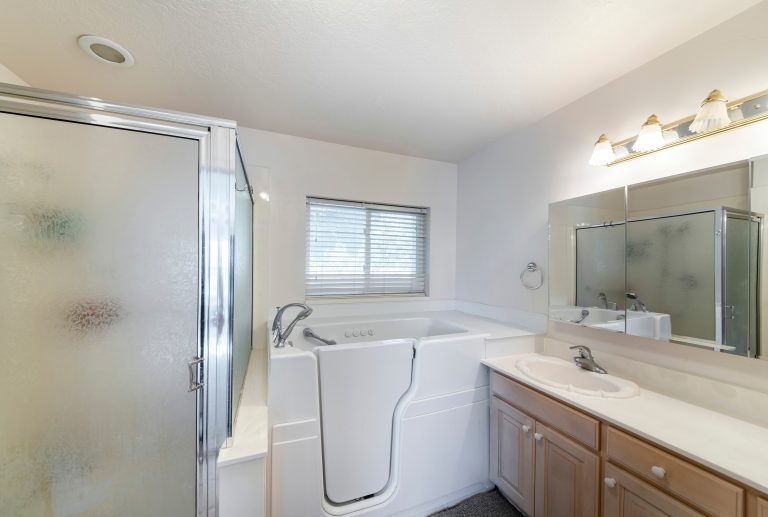
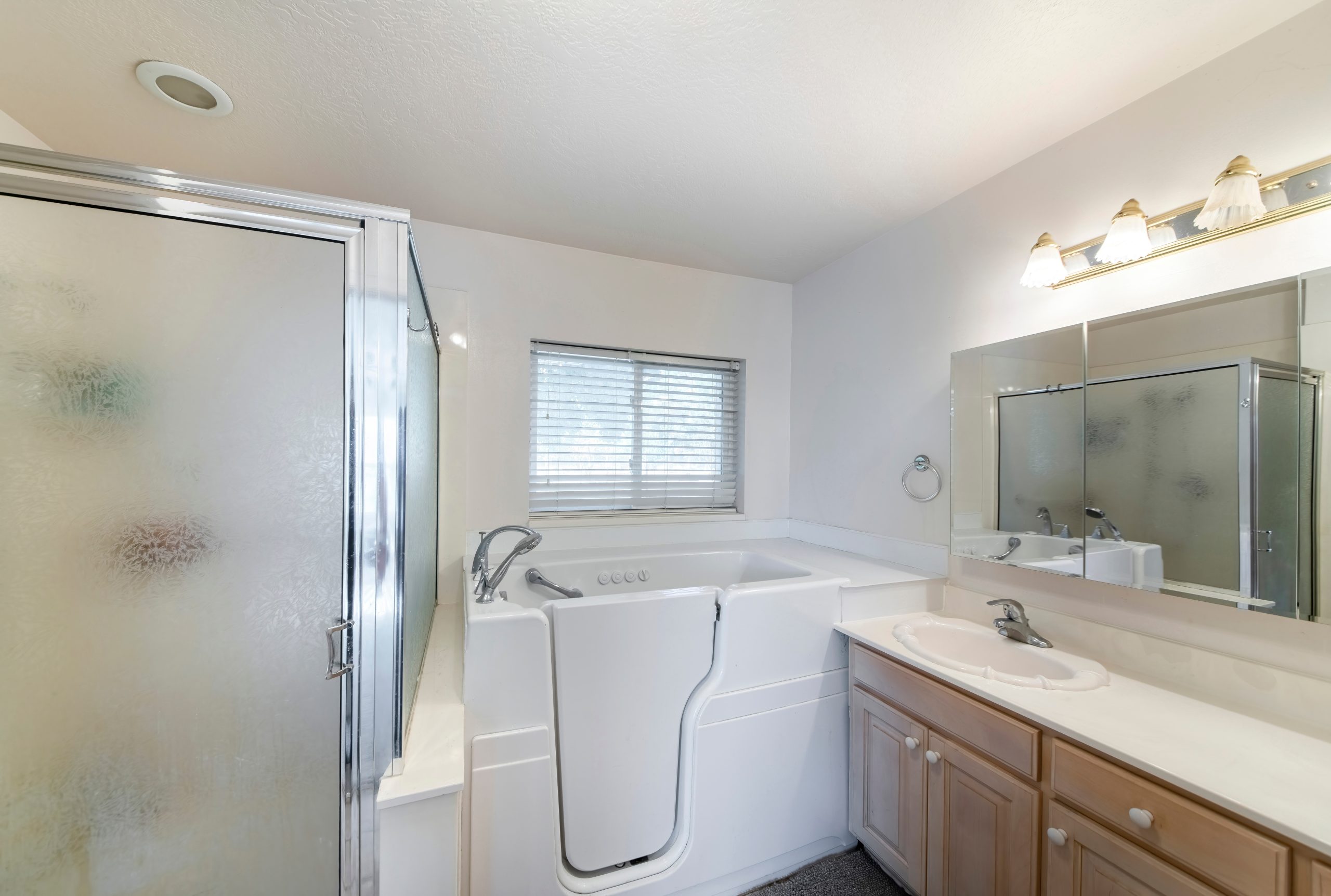
A walk-in tub replaces the high side with a watertight door and a lower entry threshold. The user sits on a built-in seat instead of lowering to the bottom of the tub, which can make bathing feel more manageable.
It can also help preserve independence. Many parents want to continue handling personal routines privately, even when certain movements have become harder.
Still, a walk-in tub might not be right for everyone. The user must enter before filling the tub and remain seated until it drains below the door. Families should consider how easily their parent can use the controls, move between sitting and standing, and wait through the filling and draining process.
Safety Features Families Should Look For
The best walk-in tub is not necessarily the one with the most extras. Instead, you’ll want to look for one that fits your parent’s mobility and makes bathing simpler. The ideal combination of features can support senior bathroom safety without making the room feel clinical.
Low-Step Entry
A low threshold reduces how high your parent must lift a foot to enter the tub. Ask for the exact step-in height and make sure the doorway is wide enough for comfortable entry.
Built-In Seating
Built-in seating allows the user to bathe from a stable, upright position. Seat height, width, texture, and back support all affect how secure it feels. Whenever possible, involve your parent in this part of the decision.
Grab Bars & Handheld Showerheads
Grab bars provide support during entry, seating, standing, and exit. They should be positioned around the way your parent naturally moves, not simply wherever there is open wall space.
A handheld showerhead makes rinsing easier while seated and gives your parent more control without requiring awkward reaching or repositioning.
Hydrotherapy Features
Some tubs include water jets, air jets, or heated seating. These options may feel soothing for stiff muscles and joints, but they also affect price, maintenance, and electrical requirements.
Consider whether your parent can use the controls easily and whether a healthcare provider has recommended any limits on water temperature or soaking time.
Does Medicare Cover Walk-In Tubs?
Original Medicare generally does not cover walk-in tubs. Medicare Part B pays for qualifying durable medical equipment, but permanent home modifications are usually treated differently. Even when a tub may improve safety, it is generally considered a home improvement rather than covered medical equipment.
Unfortunately, searches for information about Medicare walk-in tubs can produce confusing answers. A doctor’s recommendation may support the need for a safer bathroom, but it does not automatically require Original Medicare to pay for the tub or installation.
Some Medicare Advantage plans may offer supplemental benefits for home-safety modifications. Coverage varies by plan and may be limited to a set allowance or approved providers.
Before moving forward, contact the plan directly and ask:
- Are walk-in tubs eligible under the plan?
- Is prior authorization required?
- Does a doctor need to document medical necessity?
- Must an approved contractor be used?
- Does coverage include installation?
Request written details whenever possible. Families should not sign a contract based on a general promise that Medicare may reimburse the cost.
Planning for the Cost
When insurance doesn’t help, families may need to compare other options. Some remodeling companies offer financing, while veterans may qualify for certain Department of Veterans Affairs home-modification programs.
Local agencies on aging and nonprofit groups may also offer assistance depending on income, location, and available funding. Some medically necessary home improvements may qualify as tax-deductible medical expenses, but families should speak with a tax professional before relying on that option.
Always request a detailed written quote. It should separate the tub price from plumbing, electrical work, removal of the old fixture, wall repairs, and other installation costs.
What Walk-In Tub Installation Involves
Professional walk-in tub installation begins with a detailed evaluation of the existing bathroom.
- The contractor should measure the tub opening, inspect the access path through the home, and review the plumbing, drainage, electrical system, and water heater.
- Jetted or heated tubs may require a dedicated electrical circuit. Plumbing connections may need adjustment, and the water heater must be able to supply enough warm water for the tub’s capacity.
- Fill and drain times also matter because the door cannot be opened while water remains above the seal. Ask how long each process should take and whether features such as heated seating can make the wait more comfortable.
Before work begins, confirm what the quote includes and how long the bathroom is expected to be unavailable.
Choosing a Texas Walk-In Tub Contractor
A walk-in tub is only as dependable as the installation behind it. Look for a contractor with bathroom remodeling experience and a process that considers the entire room, not just the fixture.
A trustworthy contractor should:
- Inspect the bathroom before finalizing the quote
- Explain plumbing, electrical, and water-heater needs
- List the model and selected features in writing
- Separate product and labor warranty information
- Explain who will complete each part of the work
- Describe how future service issues will be handled
The consultation should also focus on your parent. Ask whether the controls are easy to reach, where the grab bars will go, and how the seat height fits their needs.
Be cautious about vague pricing, pressure to sign immediately, or promises that insurance will definitely pay. A reputable company will give your family time to review the proposal and ask questions.
Walk-In Tub vs. Walk-In Shower Comparisons
A walk-in tub may suit someone who enjoys soaking, can transfer safely onto the seat, and is comfortable waiting while the tub fills and drains. It may also offer hydrotherapy features that are not available in a standard shower.
A walk-in shower may work better for someone who uses a walker, needs caregiver assistance, or benefits from a more open entrance. A low-threshold shower with a bench and handheld showerhead can support seated bathing without requiring the user to wait inside a tub.
An aging-in-place bathroom remodel should consider future needs as well as current mobility. The best choice is the one your parent can use confidently without creating new obstacles.
FAQs
Are walk-in tubs safe for older adults?
They can reduce the need to step over a high tub wall, but no product eliminates every fall risk. Safety depends on the person’s mobility, the tub’s design, proper installation, and suitable grab-bar placement.
Can you shower in a walk-in tub?
Many models include a handheld showerhead, and some are designed as tub-and-shower combinations. Ask how water will be contained and whether the controls are easy to reach from the seat.
How long does a walk-in tub take to fill and drain?
Times vary based on the model, water pressure, plumbing, and drain size. Ask for realistic estimates before buying because the user must remain inside until the water drops below the door.
Is a doctor’s prescription enough for Medicare coverage?
Usually not. Original Medicare generally does not cover permanent bathroom modifications, even with a prescription. Documentation may help with a Medicare Advantage benefit or another assistance program.
Is a walk-in tub better than a walk-in shower?
It depends on the user. Walk-in tubs support seated soaking, while walk-in showers may provide easier access. Mobility, personal preference, caregiving needs, and future plans should guide the decision.
Planning a Safer Bathroom With Expo Home Improvement
Helping a parent update the bathroom means balancing safety, independence, and familiarity. The space should address real mobility concerns without feeling like it no longer belongs in their home.
Expo Home Improvement helps Texas families compare walk-in tubs, accessible showers, and other bathroom upgrades based on the person who will use the space. Contact our team to schedule a consultation and request a free quote today.
Photo credit: Jason Finn