Author: admin

  • 5 Ways To Get Your Home Ready for Spring

    5 Ways To Get Your Home Ready for Spring

    We may still be in a season of colder weather, but that’s going to change before you know it. Soon, grass will be growing, flowers will be blooming, and groundhogs everywhere will (hopefully) not be seeing any signs of their shadows.

    If you’re going to get your home ready for spring, the time to do it is now. If you wait, you’ll be scrambling to get things done and it may be difficult to hire professional help, as every other homeowner will be wanting services. Here are five ways to get your home ready for spring.

    1. Inspect and Maintain Your Exterior

    Spring is the ideal time to inspect the exterior of your home after the harsh winter months. Check for any damage to the roof, siding or gutters caused by snow or ice. Ensure proper drainage to avoid water buildup, as repairing any damage now can prevent further issues when spring showers arrive. Furthermore, it’s a good time to decide if you need a new front door or another exterior improvement.

    2. Revitalize Your Windows and Outdoor Areas

    Some windows are beyond spring cleaning. If your windows are permanently damaged, worn or smudged, it might be time to replace them. Or, if you want to get ahead of energy efficiency for the warmer months, energy-efficient window replacements are worth considering. In addition to your windows, clean outdoor furniture, power wash decks or patios and inspect fencing or decking for repairs. Consider adding fresh plants or flowers to your garden beds or pots to infuse color and life into your outdoor oasis.

    3. Service Your HVAC System

    As the weather warms up, your HVAC system will transition from heating to cooling. Schedule a maintenance check to ensure your air conditioning is ready for the warmer days ahead. Changing air filters and servicing the system will help maintain optimal indoor air quality and efficiency. Insulation replacement is another idea worth considering, as it can have a big impact on your home’s overall energy efficiency as well and allow more of spring’s natural light indoors.

    4. Refresh Your Bathroom

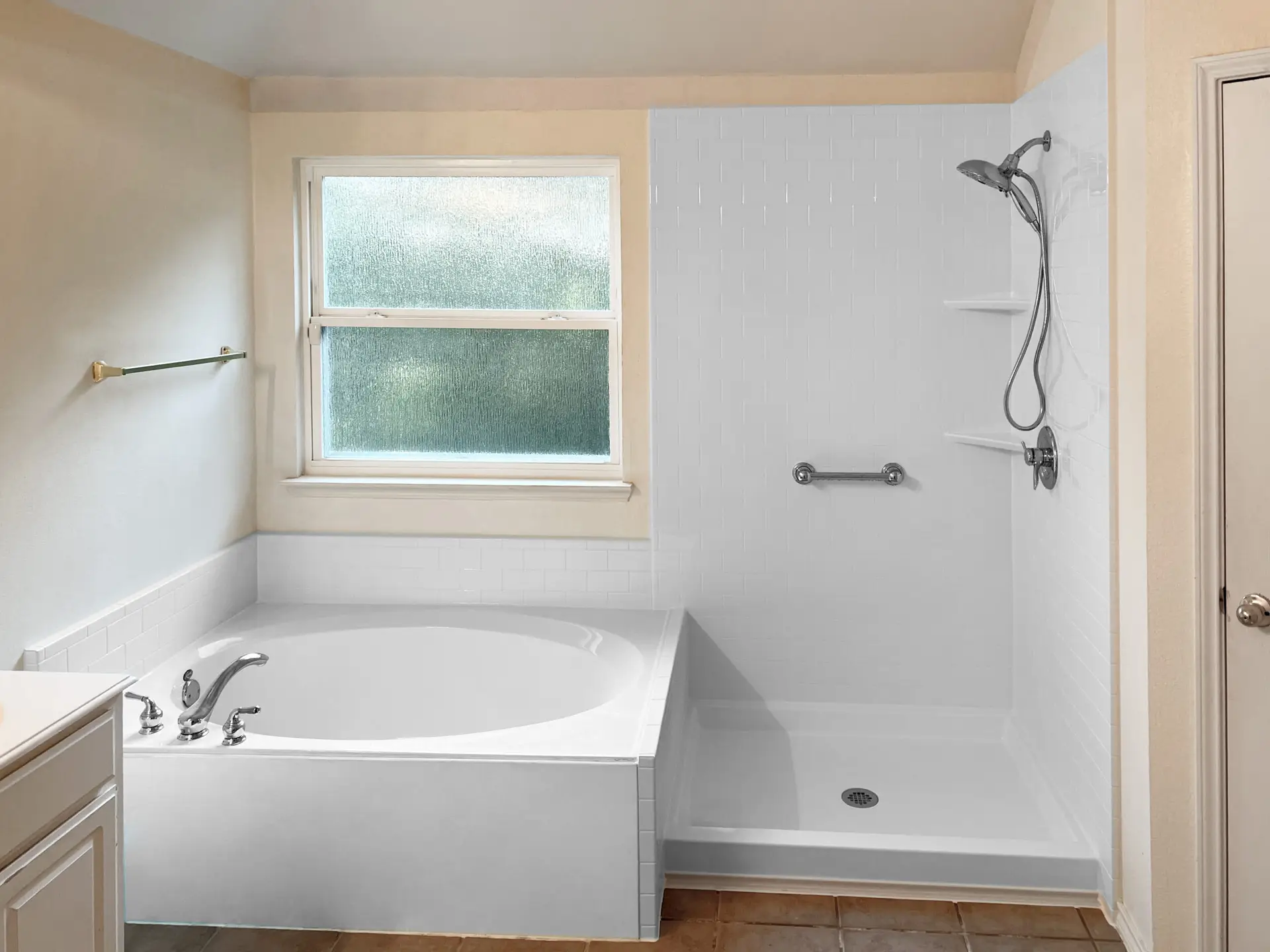
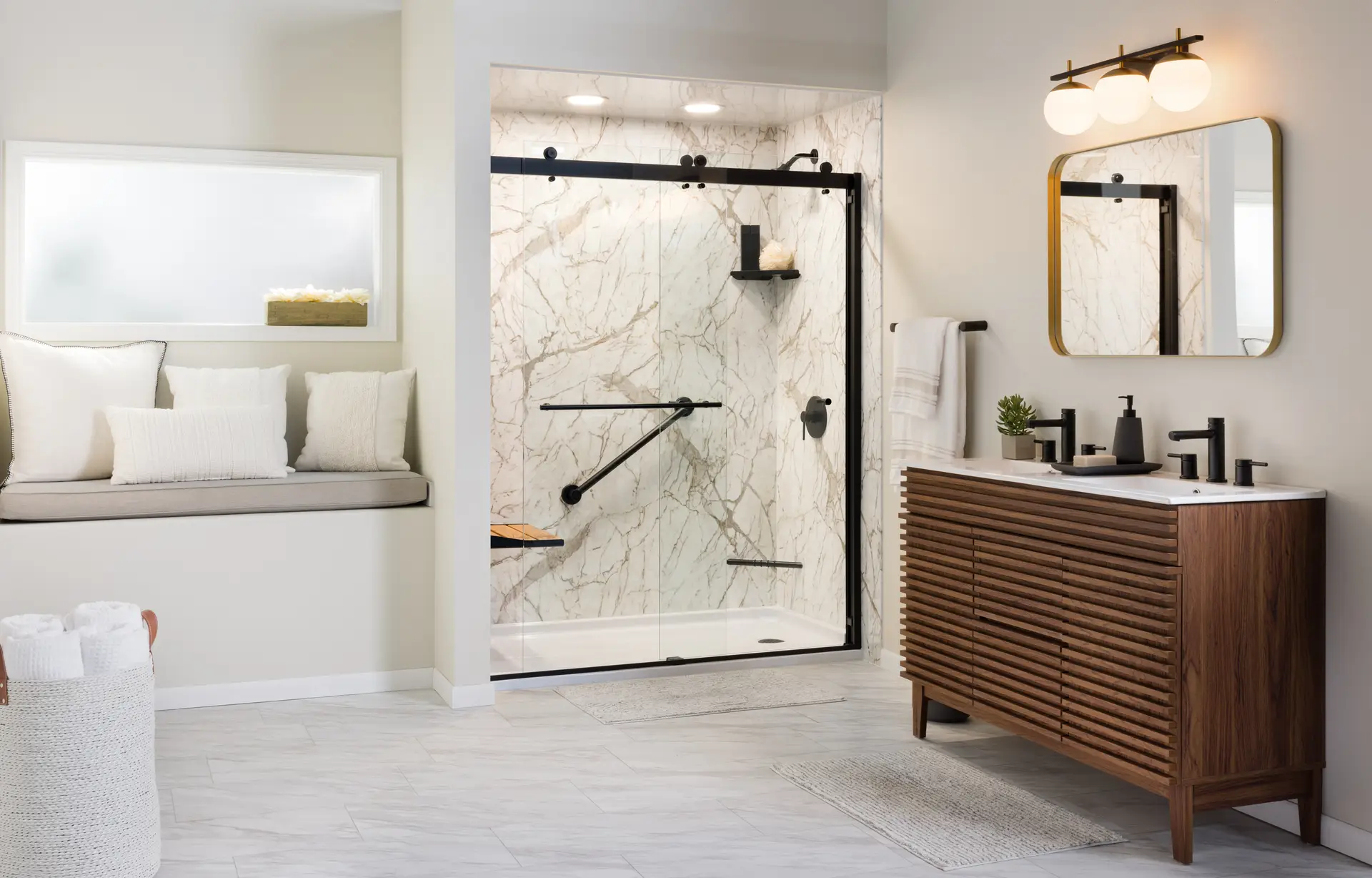
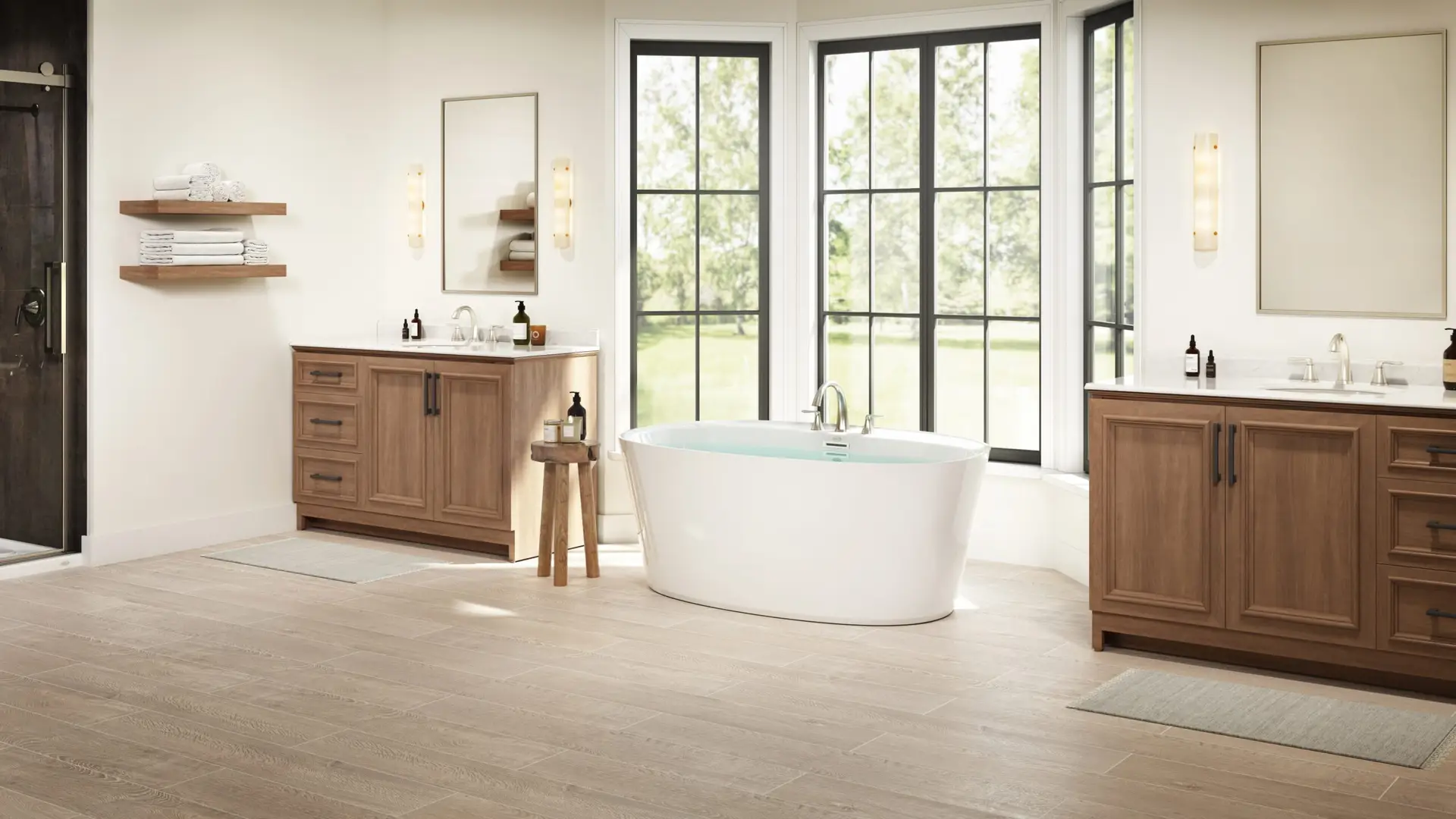
    Welcome the vibrancy of spring indoors by refreshing or renovating interior spaces like your bathroom. Consider a thorough spring cleaning and swap out your old tub for a new freestanding tub, walk-in tub or tub/shower combo. Adding touches of greenery or floral accents can also infuse a fresh, springtime feel into your bathroom or other interior spaces. You want your home to be a relaxing oasis inside and out.

    5. Upgrade Your Entryway

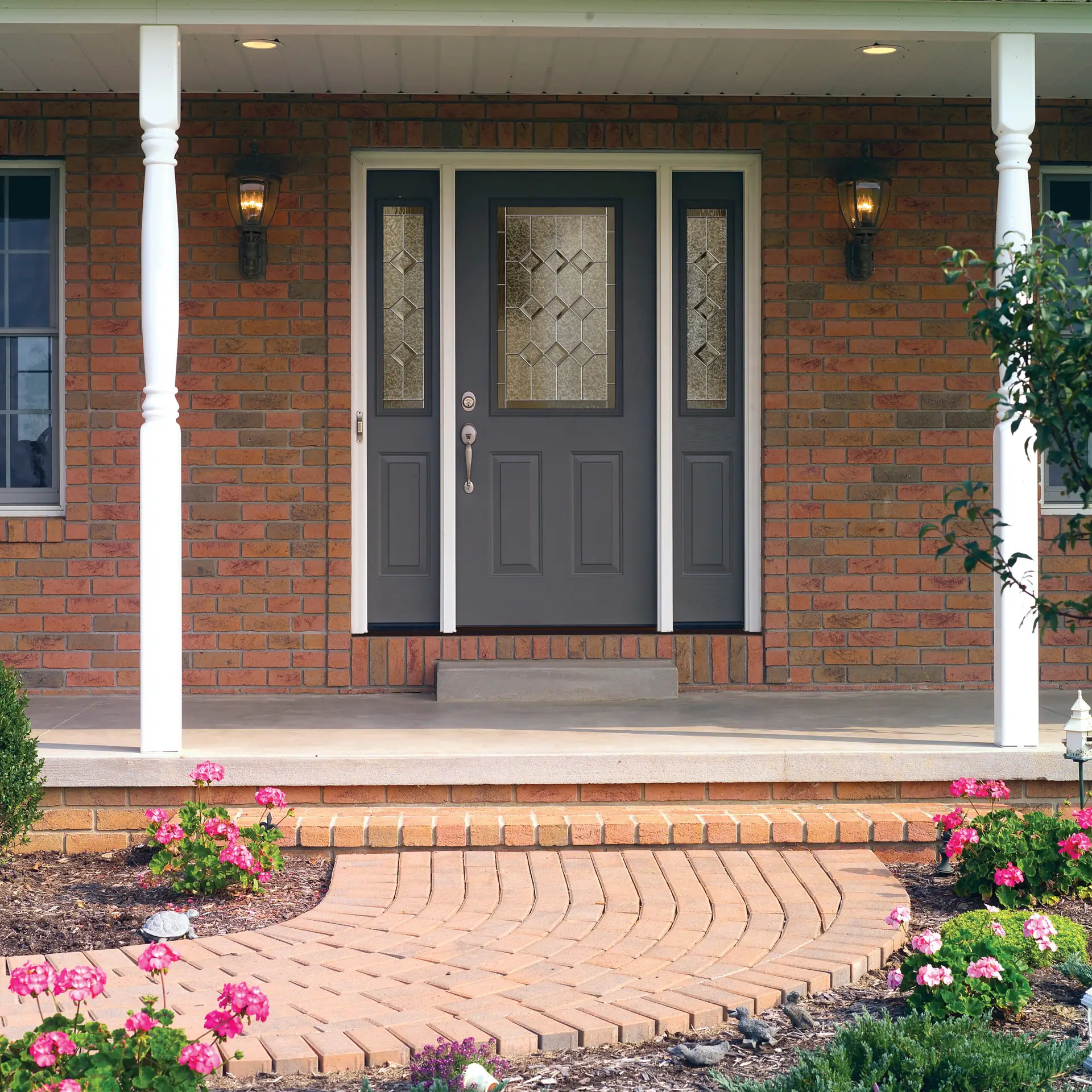
    Again, you can enhance your home’s curb appeal by upgrading your front door . A new, modern door can transform the look of your home, adding both style and security. Consider options that complement the season, such as doors with glass inserts to invite more natural light or vibrant colors that resonate with the spirit of spring. Additional home decor updates to your entryway can make a great first impression for any visitors.

    These are just a few ways to elevate your home and get it ready for the spring season. To see how Expo Home Improvement can help, contact us today for a no-obligation quote.

  • How Energy-Efficient Windows Work

    How Energy-Efficient Windows Work

    Nowadays, when homeowners are looking to have replacement windows installed, energy efficiency is a chief concern. That’s because they know the more energy efficient their homes are, the less their HVAC system will have to work in order to maintain a comfortable interior temperature, which can lead to long-time savings on their energy bills. So, what makes a window energy efficient, and how do energy-efficient windows work? Well, energy-efficient windows are windows that are specially equipped with certain features that promote energy efficiency. Each feature has its own unique benefits that enhance the window’s energy efficiency in different ways. The following are different energy-efficient features that come with many energy-efficient windows:

    Low-E Glass

    Low-E glass or low-emissivity glass is a type of glass that is designed to minimize the amount of ultraviolet and infrared light that can penetrate through the glass of your window. This type of glass is covered in a thin coating that is transparent and reflects heat, while still letting natural light flood into your home. This coating will help keep your home at a consistent temperature by reflecting the interior temperatures back inside of your home instead of allowing them to escape.

    Multiple Panes of Glass

    When the energy efficiency of your windows is a major concern of yours, you’ll want windows that come with multiple panes of glass. As the name implies, double- or triple-pane windows are windows that come with either two or three panes of glass. These panes of glass are separated by spaces that are filled with air. These spaces help to trap cold temperatures or heat, depending on the outside weather, between the panes and stop it from affecting the interior temperature of your home.

    Argon Gas Fills

    Argon gas is a natural, non-toxic, colorless, and odorless gas that is commonly used to increase the energy efficiency of windows. This type of gas is used to fill the spaces between the glass panes in double- and triple-pane windows and its purpose is to slow the transfer of heat through the window. Argon gas fills are a better option than just having air in between these panes because air contains moisture that can condense on the inside of the glass, making the window cloudy, whereas argon gas does not.

    Spacer Systems

    Spacers are an important part of every window. They are what separates the multiple panes of glass inside double- and triple-pane windows. They provide the windows with structural integrity as well as with a thermal and moisture seal that will help to enhance the windows’ overall thermal performance. They are bonded to the glass panes with seals that help to form an airtight cavity within the glazing of the window. They can soak up any moisture that gets into your window and help to prevent condensation from forming inside the cavity. They also help to manage stress that is caused by changes in temperature and pressure.

    Window Frame Material

    The material that your window frame is made of also plays a large role in the overall energy efficiency of your windows because the frames make up about 25% of the windows’ overall area. When looking for a window that will provide exceptional energy efficiency, you’ll want to find one that has a window frame that is thermally non-conductive. The best energy-efficient window frames are ones that are made out of vinyl or wood, and it’s a good idea to stay away from aluminum frames because they typically are poor energy performers.

    High-Quality Energy-Efficient Windows Available from Expo Home Improvement

    At Expo Home Improvement, we offer a variety of top-of-the-line vinyl replacement windows that provide exceptional energy efficiency. Our windows are coated with Low-E glass, have multiple panes, are filled with argon gas, and have glass seal spacers, all of which are designed to provide the ultimate in energy efficiency. What’s more, all of our windows are ENERGY STAR® certified, which is a government-backed label given to windows that meet strict energy-efficient guidelines set by the Environmental Protection Agency.

    To learn more about the energy-efficient windows we have available to homeowners throughout the Dallas-Fort Worth, San Antonio, and Central Texas areas, contact the experts at Expo Home Improvement today.

  • Foggy Windows? Benefits Of Replacing Your Windows

    Foggy Windows? Benefits Of Replacing Your Windows

    Insulation on your current windows just not cutting it? We know Texas is coming out of a winter storm and summer is just around the corner – so what can you do to keep your home better insulated? Time for spring cleaning, home edition! We are going to take you step-by-step on where your current windows could be missing the mark, and what to look for to keep your home well insulated and fog-free.

    Foggy Windows

    After the ice and snow we received this recent February, and the continued precipitation we will receive going into Spring, you may be leery of fogging windows or condensation between your window panes. This could be an indicator of a few different things going wrong with your current windows.

    One issue found to create foggy windows is that the window was not sealed properly. At Expo Home Improvement, installers are trained to properly install and seal your windows. All installers go through a rigorous training process to ensure all projects are completed with the highest quality of craftmanship possible.

    Insulation

    Insulation is one of the most important factors to keeping your home at your desired temperature while also keeping precipitation out. A good quality window will have multiple insulation features to do just that. Features of the Anlin window, sold at Expo Home Improvement, that deem our windows superior in insulation are the Innergy® Rigid Thermal Reinforcements, three triple-fin weatherstrips, and ComfortCore™ green foam.

    Innergy® Rigid Thermal Reinforcements are ultra-strong fiberglass thermal inserts that provide thermal insulation and strength inside the key components of the sash and frame. This means it keeps your home cool in the summer and warm in the winter through its extra strength products.

    On any of our sliding window options, there are three triple-fin weatherstrips that keep the weather and precipitation out, keeping your home comfortable inside and saving you on energy bills.

    And lastly, ComfortCore™ green foam fills strategic chambers in the window frames to further enhance the insulation these windows can provide. The foam creates an additional barrier between you and the outside elements.

    Double-Pane Windows

    Did you know most national window companies engineer their windows based on the needs of northeast homes? Although we did just encounter a historic winter storm in Texas, the facts are that we don’t deal with this kind of extreme cold weather often and do not need a three-pane window here in Texas.

    Here at Expo Home Improvement, we offer a window specifically designed with Texas in mind. We have found that single-pane windows just don’t cut it if you are looking for energy efficiency in your home, and a triple-pane window is more fit for a northeast winter and can cost you more for something you don’t need. Our Anlin Del Mar window is a double-pane window that is perfect for mild Texas winters but also has all the proper insulation for our extreme summers.

    Ready to Invest in Your Home?

    We truly care about your home and want to make sure you are protected against whatever weather Texas may throw your way. If you’re ready to love your home again, Expo Home Improvement can help. Contact us today and get your free quote to fight against foggy windows.

  • How Many Gallons of Water Are in a Walk-in Tub

    How Many Gallons of Water Are in a Walk-in Tub

    The average walk-in tub typically holds somewhere between 40 and 80 gallons of water. By comparison, a standard bathtub typically only holds 25 to 45 gallons of water. When deciding to purchase a walk-in tub, it’s important to understand your hot water heater’s capacity. If your walk-in tub can hold more water than your water heater, you might run out of hot water before your walk-in tub is filled.

    How Long Do Walk-in Tubs Take to Fill?

    It all depends on your water pressure and fixtures, but many walk-in tubs can be filled within about 10 minutes. Thanks to FAST FILL TM technology, however, the Jacuzzi® walk-in tubs installed by Expo Home Improvement fill twice as fast as other tubs.

    How Quickly Can Walk-in Tubs Drain?

    This also depends on your plumbing and the tub, but some discount walk-in tubs can take up to 15 minutes to drain. The Jacuzzi® walk-in tubs installed by Expo Home Improvement drain two times faster than average tubs because of Fast Drain technology, which helps users avoid becoming cold while waiting for their tub to drain.

    Expo Home Improvement Offers Top-of-the-Line Jacuzzi® Walk-in Tubs Designed with Safety, Luxury, and Independence in Mind

    Expo Home Improvement is the exclusive dealer of incredible Jacuzzi® walk-in tubs in the Dallas, Fort Worth, and San Antonio areas. These tubs are perfect for people seeking a safer and more luxurious way to bathe. Instead of having to climb over a high wall and risk slipping and falling, you can enter our walk-in tubs through our large door openings with a low step-in. Once inside, you will enjoy the built-in ADA compliant seat, ergonomic grab bar, 100 percent leak-proof locking door, and slip-resistant flooring. Plus, our tubs can be equipped with a variety of features such as massaging jets, heated surfaces, and Epsom-salt compatibility to take your bathing experience to another level.

    To learn more about the Jacuzzi® walk-in tubs that Expo Home Improvement has available to homeowners in the Dallas-Fort Worth and San Antonio areas, as well as throughout Central Texas, contact the experts at Expo Home Improvement today.

  • What Is the Best and Safest Front Door Material

    What Is the Best and Safest Front Door Material

    Choosing a new front door for your home may seem straightforward – you just need to find something that looks good, right? Well, yes and no. Of course, you want any door you buy to give your house a strong curbside appeal. But there are other factors that are important as well. Most importantly, you want a door that will provide security so your family can relax knowing they are safe from any potential predators wanting to break in. Here are 3 important factors to help you decide the best material for your front door.

    Security

    The safety and security of your home should beat the top of the list when you are deciding what the best front door material is for your home. While other factors are important, they pale in comparison to the need to keep your family safe.

    While there are a number of materials you can choose from, like wood, aluminum, and fiberglass, without a doubt, the safest front door material is heavy-duty steel. And, even though steel doors are the strongest and have a number of other benefits, they are also the least expensive type of door as well.

    Steel doors have an internal frame that is either made from wood or steel to give them greater strength, with foam insulation filling the unused inner space. Because steel is so strong, these doors will hold up, no matter how much they are beaten, rammed, or abused.

    Anyone trying to break into your home will find themselves in a losing battle if they try to break through one of these doors! And, because of the way they are constructed, steel doors also have other benefits for your home such as long-life durability and increased energy efficiency.

    Durability

    When looking at all the front door material options, durability and security go hand in hand. The stronger and more durable a door is, the harder it will be for someone to break through it. But durability isn’t just about being able to take a beating.

    Through years of wear and tear, even a strong door can begin to show signs of abuse. Steel is, again, a great option when looking for a durable door. While they can be prone to denting, they don’t chip like wooden doors can, and any dents and dings can be pulled out and fixed with a car repair kit.

    However, if you’re looking for the material that will last the longest with the least maintenance required, the answer is fiberglass. This material is designed to not dent, chip, or rot and will last for years in all kinds of weather. And, when it’s properly installed in a strong frame, it can be nearly as secure as a steel door.

    While fiberglass is more expensive than steel, if you’re looking to install the best all-around door that will provide security, energy efficiency, and long-term durability, fiberglass is a great way to go.

    Energy Efficiency

    Another major factor in choosing front door materials is how energy efficient they are. Again, fiberglass wins in this category. After all, it’s a man-made material designed with energy use in mind.

    All fiberglass doors have a thick layer of foam inside to protect your house from the elements and insulate your home for maximum energy efficiency. This can be true of steel doors as well, but there is more variability with steel, with some doors having efficient foams filling them, and others left empty besides the internal frame. Steel also naturally conducts heat more, making it less energy efficient. For a natural insulator, wooden doors are also a great choice. However, you need to choose a good hardwood option to get the most energy benefit out of a wooden door.

    Because manufacturers work so hard to develop new ways to improve energy efficiency today, all three of these materials can make a good door for saving you money on your power bill. Choosing between them will really come down to deciding what your particular needs are, and which material will do the best job at meeting all of them.

    How to Decide

    With so many factors that go into which material will be the best for your front door , it can be hard to decide which one to choose. The best option is to have a professional who can help walk you through the process and figure out exactly what you need. That’s why Expo Home Improvement is here to give you the guidance and support you need to buy and install the perfect door for your home.

    We have a wide selection of all types of doors made from all the best materials. We’ll make sure you get a door that’s secure, durable, energy-efficient, all while looking great and increasing your home’s curb appeal! So, call today to get a free quote and take the next step toward making your home the cozy, safe haven you want it to be!

  • Tempted to Use a Bathtub Liner in Your Bathroom Remodel?

    Tempted to Use a Bathtub Liner in Your Bathroom Remodel?

    There comes a time where everyone’s bathroom is in desperate need of a remodel or improvement. While the process is exciting, it can be overwhelming to pick out materials and balance your needs and wants. One quick-fix approach is to use a liner instead of a full bath replacement. But, you could be covering up a problem that will never go away. Before making a decision, get the facts about why bathtub liners are a bad idea and learn how Expo Home Improvement does what is right and safe for your bathroom.

    What is a bathtub liner?

    Essentially, a bathtub liner is a custom acrylic insert that can be installed right on top of your existing bathtub or shower. When installed, it requires very precise measurements to achieve a perfect fit over your existing fiberglass, pressed steel or cast-iron bathtub. This kind of installation doesn’t require your old tub to be removed. The liner is glued down with strong adhesives and tape to the old tub and wall, possibly hiding big issues lurking in your bathroom.

    Usually, bathtub liners are created with PVC or acrylic materials. These are distinctly different from the material Expo Home Improvement products are made from. All of our solid surface acrylic products are created to be sanitary and have Silver Shield™ anti-microbial protection. This technology weaves silver ions throughout the acrylic material which naturally prevents the growth of mold and mildew.

    Are bathtub liners sanitary and hygienic?

    Considering the way that liners are installed, sanitation and hygiene are a top concern. If the seal between your existing tub and the liner isn’t rock-solid, it could allow water to flow into cracks and linger between the two. Then you’ll be dealing with mold, mildew, bacteria, and possibly even a funky smell. The worst part is that in order to address the issue, you’ll need to remove the liner. All of this adds up to lost time, money, and energy. So, it’s worth considering whether a replacement tub is a better option.

    Do liners require installation by a plumber?

    Installation of a liner does not have to be performed by a plumber and there’s no rigorous certification process to become a bathtub liner installer. On the other hand, when you replace your bathtub with Expo Home Improvement, your work is completed by master plumbers supported by highly-trained professionals who have served over 11,000 Texan families.

    While demolition and extensive plumbing isn’t required for a bathtub liner, one concern is that you may literally be covering up issues in your bathroom. This is why Expo Home Improvement’s master plumbers complete work on any bathtub replacements. During the process they are able to detect and address any plumbing issues that could cause mold, mildew, or an expensive leak in the future. If your bathroom remodel includes removing tile, surrounds, or other surfaces, it is a wise investment to install a new tub so you have peace of mind. You can also avoid putting money down the drain by making the wiser and safer choice first!

    Have questions about replacing your tub?

    Before you waste precious time, money, and energy on your bathroom remodel, reach out to our pros. We’ll do more than just cover up the problem: we’ll solve it. Let us point you in the right direction and find a bathtub replacement solution that’s sanitary, long-lasting and fits your budget.

  • SHGC Window Ratings Explained

    SHGC Window Ratings Explained

    Homeowners think a lot about style, size, and placement when picking out windows. However, windows also have important energy ratings that can help show how specific models can keep you cool in the summer, save money on energy bills, and more. Let’s take a closer look at window energy performance ratings like the SHGC and how they work.

    What is the Solar Heat Gain Coefficient?

    Solar Heat Gain Coefficient windows, usually abbreviated SHGC, is a rating that tells buyers how much solar heat is blocked by the window. All solar energy contains a portion of thermal energy, and at least some of it passes through glass. This is important when planning a building or replacing your windows, because that heat can increase the temperature inside the building: That may make air conditioners work harder and cost more money to run, which is why some homes benefit from windows that block lots of solar heat.

    The SHGC rating is typically givenas a number between 1 and 0. The number 1 represents the maximum amount ofsolar heat passing through the window, and the number 0 represents the leastpossible amount of heat making it through. This can be easily translated into apercentage – for example, an SHGC of 0.40 means that 40% of solar heat can passthrough that window, and the window blocks 60%. A lower SHGC number meansbetter solar heat-blocking capabilities.

    What Affects the SHGC WindowRating?

    Materials and manufacturing decisions have the greatest impact. Important factors for SHGC ratings include:

    • How many panes the window has
    • The type of glazing the window uses, especially if tinted glass or films are used
    • The nature of the spacers between the windowpanes
    • The window frame material and how well-sealed it is
    • The general type and size of the window

    Is a Low SHGC Rating Betterfor My Home?

    It can be. Low SHGC ratings aretypically thought of as energy-efficient and environmentally friendly. However,a lot depends on your climate.

    In climates where it’s generally colder and heating is important while air conditioning is less common, a low SHGC rating isn’t as important. It’s simply too cold for solar heat to make much of a difference in the long run, and home furnaces may benefit from all the help they can get.

    In warmer climates, or climates with hot seasons where air conditioning is very important, a low SHGC rating can be much more useful, keeping homes cooler and reducing AC bills. That’s why it’s a good idea for Texas homeowners to look for windows that are rating 0.40or lower – 0.30 or lower is a good idea if you have windows that get lots ofsunlight in the summer months.

    Is There Any Official Testingfor These Ratings?

    Yes, NFRC, or National Fenestration Rating Council, has performed these tests since 1993 . It is a non-profit organization with the only independent rating and labeling system for energy ratings related to windows. The EPA and other federal departments using the NFRC’s ratings because of their reliability.

    What is the U-Value When It Comes to Windows?

    This gets a little more complex. The U-value, also called the U-factor, is a separate rating from the SHGC.

    Instead of measuring how much solar heat can pass through a window due to sunlight, the U-value shows how well windows block other types of heat. This can include heat in the air, and is greatly affected by the size of the window, how much hotter the outside/inside air is, and how many panes the window has. Think of U-factor windows as showing how good they are at general insulation.

    Like SHGC, U-values are shown from0 to 1. The lower the number, the better the window is at keeping outdoortemperatures at bay. Sometimes U-values are split into specific conditions,like a nighttime U-value to show how good the window is keeping heat inside a home during colder days.

    What About R-Value? Is That Important?

    R-value is another term you may see pop up when discussing home insulation, energy efficiency, and lowering your air conditioning bills. The big difference is that U-values are used specifically to rate the insulation capabilities of windows, while R-values are used to rate…nearly everything else. Walls, floors, rooftop materials -anything else that stands between indoor air and outdoor air is given an R-value. This allows you to see how insulated a home is, but it’s not especially helpful when picking out windows.

    However, you can calculate the U-value to R-value if you want to convert between values. Let’s say you have a triple-pane window with a U-value of 0.30. Since U-values and R-values are reciprocal, you can simply divide 0.30 by 1, giving you a triple-pane window R-value of 30. This is of limited usefulness for homeowners but can sometimes be useful when planning a building or meeting building codes.

    Which Rating Should I Pay Attention to The Most?

    The good news is that SHGC ratings and U-values are closely related. A window that has a low SHGC rating is likely to have a low U-value as well. However, SHGC ratings are more connected to shade, window films, and generally how much light is let inside a home, which could be important for aesthetic reasons.

    If you have any other questions about energy-efficiency windows, or what replacing your windows would look like, contact Expo Home Improvement today . We can chat, arrange for a quote, and answer questions while respecting your safety and home

  • The 7 Steps Involved in a Shower Installation

    The 7 Steps Involved in a Shower Installation

    Even the most adventurous home improvement DIYers will stay away from a shower installation, due to the highly complex process and equipment/expertise involved. But some of us still need more convincing.

    As a company that has installed thousands of showers for Texas homeowners, we know a thing or two about how time-consuming and involved they can be—especially for those who haven’t installed a new shower before.

    Here are the steps involved in a shower installation to show you why hiring a home improvement company is the better option.

    1. Planning

    The first step in any shower installation project is a thorough assessment of the space for measuring and planning. This includes evaluating existing plumbing, electrical connections and structural integrity of the walls. Everything must be compatible with the new shower design and factors like size, layout and features are taken into account.

    2. Demolition

    The area must then be prepped for the installation by removing any existing fixtures, tiles or enclosures. Demolition must be carried out carefully to avoid damaging surrounding surfaces (a common mishap for DIY shower installers). There must be a clean slate for the new shower.

    3. Plumbing/Electrical

    Once the space is cleared, rough-in plumbing and electrical work are performed to accommodate the new shower fixtures and accessories. This can involve draining pipes, testing water supply lines and ensuring electrical wiring will be safe with the planned layout and specifications. Importantly, the plumbing and electrical work must also adhere to applicable city and state codes. This ensures your safety and is something that inspectors look for if you ever plan to sell your home.

    4. Shower Pan Install

    A waterproof base is the foundation of any shower. Also known as the “”shower pan,”” this base requires precise measurements and proper slope to ensure efficient water drainage (and to prevent leaks).

    5. Wall Prep

    The walls also must be prepped for shower fixtures like faucets, showerheads, handles and more. You must carefully install these components, as they’re essential for optimal shower performance and longevity. Precision and expertise are important here to ensure proper alignment and functionality.

    6. Fixture Install

    Next, those fixtures mentioned above (faucets, showerheads, handles, etc.) must be installed as well. Attention to detail is crucial and they must be sealed to walls and/or tiles properly to ensure a watertight enclosure.

    7. Testing and Final Touches

    Lastly, finishing touches like caulking, grouting and sealing must be applied, followed by a thorough inspection and testing. Proper caulking and grouting take expertise to look professional and many DIYers aren’t able to achieve this. If all components are functioning correctly—and there are no leaks or other issues—the shower is good to go and ready for use.

    This is just a summary of the steps involved in a shower installation . If you’d prefer a professional shower installation instead, contact Expo Home Improvement for a no-obligation quote today.

  • Should You Have Windows in the Bathroom?

    Should You Have Windows in the Bathroom?

    Whether you’re considering adding windows for bathroom renovations on your current home or building a new home, a very common question that homeowners find themselves asking is, “Do you have to have a window in the bathroom ?” The short answer is yes.

    Why does a bathroom need a window? Bathrooms hold a lot of moisture and accumulate a lot of humidity, and windows provide a natural form of ventilation. If the moisture isn’t released, it can damage the foundation of your home and lead to mold, which is harmful to not only your home, but also potentially your health. Installing a fan system is one way to help prevent mold, but windows are the easiest and best option for proper ventilation.

    What are the benefits of having windows in your bathrooms?

    The main reason your bathroom needs at least one window is to remove moisture from the air. Removing air moisture prevents wood rot and can also prevent illnesses among the members of your household. But in addition to keeping your home and family healthy with a clean and breathable atmosphere, there are other benefits of having windows in your bathroom.

    Windows for the bathroom: Let there be light

    Windows add natural light to your bathroom, which not only makes the room more welcoming and comfortable, but can also make a small bathroom look more spacious! Windows also add dimension to the room and make it feel less claustrophobic. Even the addition of small bathroom windows can improve the functionality and aesthetic of your bathroom. Combined with bathroom mirrors, you can visually expand the space in your bathroom and quite literally lighten up the space.

    What are the best bathroom window types?

    When deciding what kind of window to add to your bathroom, you have a lot of options to choose from. So how do you narrow down what bathroom window types would work best for your home? Typically, the windows that work best in a bathroom are these varieties:

    1. Picture bathroom windows

    Picture windows are a great choice if you live on some acreage or have trees and shrubbery on your property that offer a good amount of privacy. Picture windows are larger than a standard window, are stationary, don’t have gridlines, and let in a ton of natural light. They work great behind a bathtub or near a vanity and can let you enjoy an outdoor view while taking a soak in the tub.

    2. Awning bathroom windows

    Awning bathroom windows have hinges at the top of the window that allow them to swing open from the bottom. Because they open from the bottom, they can be left open all the time, even during a rainstorm, and rain won’t get inside your home. This style of window can be utilized the most because of this function. They’re a great addition for your first floor or basement bathroom because they provide privacy and can brighten up a dark space.

    3. Double-hung bathroom windows

    Double-hung bathroom windows are a great option for a few reasons. They’re compact in size, and they open via a sash, as opposed to swinging open, which is great if you have a smaller-sized bathroom. They can be opened from the top or the bottom, which allows for optimized airflow. If you want to let warmer air in, you open the top sash. If you want to let cooler air in, you open the bottom sash. Because of their versatility, double-hung windows allow your bathroom to ventilate effectively. When installing double-hung bathroom windows, you should definitely consider getting privacy glass as well.

    4. Sliding bathroom windows

    Sliding bathroom windows are similar to double-hung bathroom windows, but instead of opening top to bottom, they open from side to side. They have a lot of the same benefits, and they’re compact so they won’t take up much space. Sliding bathroom windows are the most affordable option for bathroom windows, plus they offer great light, efficiency, and ventilation. Privacy glass should be used for sliding bathroom windows, too.

    The thought of having a window in your bathroom can seem counterintuitive; a bathroom is a place that requires privacy, after all, but privacy can still be achieved by utilizing proper window size and placement, using privacy glass, and the right bathroom window type.

    The benefits of including a window in your bathroom are plentiful, and the health of your family — and your home — will improve when you do. Ready to think about lightening up your bathroom with some new or replacement windows? Schedule an appointment today to get a free quote.

  • Should You Use a Contractor or Company for Bathroom Remodels?

    Should You Use a Contractor or Company for Bathroom Remodels?

    When it comes to any type of home improvement, whether remodels, renovations, additions or new builds, you usually have the choice of an individual contractor (with subcontractors) or a home improvement company.

    Which is better? It depends. While we can’t let you know which shade of tan evokes the most accurate feeling of a desert in your bathroom, we can help you decide whether you should use a contractor or company for bathroom remodels.

    Advantages of Bathroom Contractors

    Using a contractor for bathroom remodels has certain benefits, among them the fact the contractor usually specializes in one area while a company specializes in multiple areas or hires out multiple roles to handle them. Two other big advantages to using a bathroom contractor are cost control (it’s usually going to be cheaper) and flexibility (you better hope they’re not in the middle of a big job already).

    Advantages of Using a Bathroom Remodel Company

    Using a professional home improvement company, on the other hand—especially one that specializes in bathroom remodels—has certain advantages that you just won’t get with a bathroom contractor. Here are some of the advantages of using a bathroom remodel company for your next bathroom renovation:

    • They can provide comprehensive or complimentary services.

    • The process is potentially streamlined and more efficient.

    • You get access to multiple areas of expertise and a manager.

    • There are usually fewer delays than with a contractor.

    Making the Right Choice for Your Bathroom Remodel

    Ultimately, the decision between using a contractor or a remodeling company boils down to your project’s size, complexity and your personal preferences. If you have a clear vision of what you want to get accomplished, then expertise and budget might be your top priorities. Or, if you’re open to ideas and direction, experience and reputation might be the top concern. Do your research and take some time to make the right choice for your bathroom remodel before rushing into a decision quickly.

    These are just a few factors to consider. If you have a bathroom remodel planned, contact Expo Home Improvement with any questions or to receive a no-obligation quote. We’d love to help you out, or at least point you in the right direction for a solution that will serve you best.