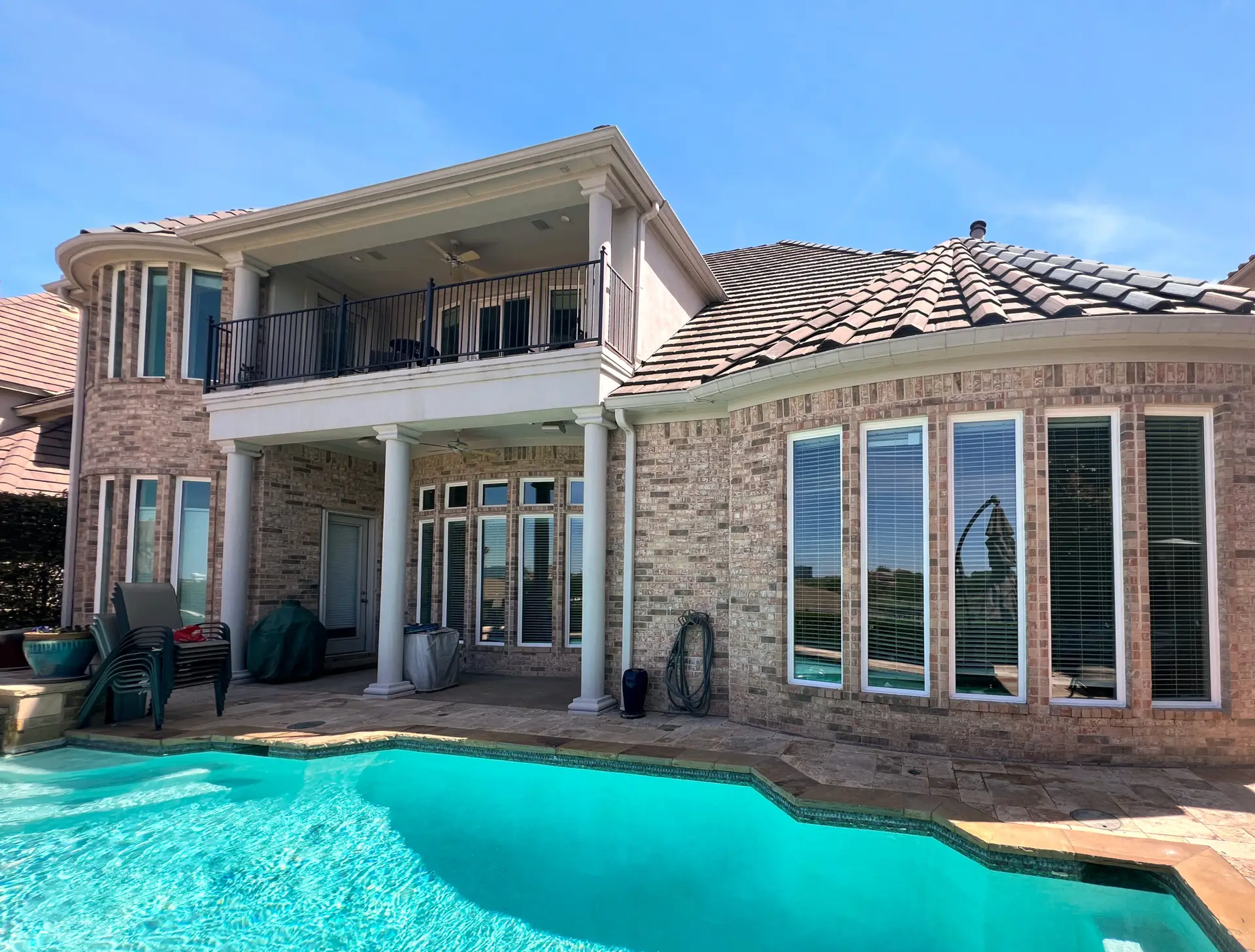
In Texas, you feel the difference between a well-insulated home and one that is constantly losing ground to the weather. Windows affect how much heat enters your home, how hard your HVAC system has to work, and how comfortable your rooms feel throughout the day.
If your current windows are older, drafty, or poorly insulated, they may be contributing to higher bills without you even realizing it. Understanding how windows impact energy use can help you make smarter decisions about comfort, efficiency, and long-term value.
Why Windows Matter for Energy Efficiency
When homeowners think about energy efficiency, they often picture attic insulation, air conditioning systems, or smart thermostats first. Those all matter, but windows play a major role too. They are one of the largest openings in the exterior of your home, which means they directly affect how much heat comes in and how much conditioned air stays inside.
That matters even more in Texas, where long cooling seasons put extra pressure on your home’s envelope. If your windows have aging seals, outdated glass, or frames that no longer fit tightly, your HVAC system has to work harder to maintain a comfortable temperature. Over time, that can add up to higher energy use and a house that still never feels quite right.
This is one reason so many homeowners start looking into energy-efficient windows in Texas. Better-performing windows can help reduce unwanted heat gain, improve insulation, and create a more stable indoor environment. The benefit is not just lower bills, it’s a home that’s easier to keep comfortable.
How Heat Transfer Impacts Utility Bills
At the center of the issue is heat transfer. In simple terms, heat naturally moves from warmer areas to cooler ones. During a Texas summer, that usually means outdoor heat is trying to make its way into your home. If your windows are not well insulated, they can become one of the easiest places for that transfer to happen.
Single-pane glass, worn seals, and older frame materials often allow more heat to pass through than homeowners realize. Even if the air conditioning is running, the home may be fighting a constant uphill battle to maintain a steady indoor temperature. The result is more runtime for your HVAC system and more energy used to reach the same level of comfort.
Not all heat transfer feels the same. One of the biggest challenges in Texas is solar heat gain, which happens when sunlight passes through the glass and raises the temperature inside the home. That is why rooms with large west- or south-facing windows often feel noticeably warmer later in the day.
If your windows are not designed to manage that heat, the effect can be significant. The air conditioner has to compensate, indoor temperatures fluctuate more, and certain spaces become less pleasant to use. This is where thoughtful window design can make a measurable difference.
How air leakage can drive up energy costs
Heat transfer is only part of the problem. Air leakage around the frame or sash can also make your system work harder. Even small gaps can let cooled air escape and allow warm outdoor air to enter. You may not always feel a dramatic draft, but the HVAC system still has to respond.
This is why window energy savings are tied not only to the glass itself, but also to the overall construction and installation of the unit. A better-sealed window helps create a more controlled indoor environment, which can reduce wasted energy over time.
Window Technologies Designed for Texas Heat
Not all replacement windows are built the same, and that matters in a hot climate. The right window for Texas should do more than look nice. It should help manage heat, support efficiency, and hold up well under long-term sun exposure.
Low-E glass explained
One of the most important technologies for warm climates is Low-E windows. “Low-E” stands for low emissivity, which refers to a thin, nearly invisible coating applied to the glass. That coating helps reflect heat while still allowing natural light to pass through.
Low-E glass helps reduce the amount of solar heat entering the home. That can make a real difference in rooms that get strong sunlight and can help your cooling system work more efficiently.
Multiple panes and insulating gas
Modern replacement windows often use double-pane or even triple-pane construction, with insulating gas sealed between the panes. This creates a stronger thermal barrier than a single sheet of glass. The extra layer helps slow heat transfer and improves overall insulation.
In Texas, double-pane windows are often a smart balance of efficiency and practicality. They can support better indoor comfort without making the product unnecessarily complex for the climate.
Better frame materials and tighter seals
Glass gets most of the attention, but frames matter too. Vinyl and other modern frame materials are often designed to resist warping, reduce maintenance, and create a tighter seal than older window systems. Combined with professional installation, this helps reduce air leakage and improves the overall performance of the unit.
A well-made window is a system: glass, frame, seals, and installation all have to work together. If even one component is weak, performance simply won’t measure up.
Comfort Improvements Beyond Cost Savings
Homeowners often start thinking about windows because of utility bills, but the comfort benefits can end up being just as valuable. In fact, many people notice those day-to-day changes before they fully appreciate the long-term cost impact.
More even temperatures throughout the house
One of the biggest improvements is consistency. Instead of one room running hot and another feeling chilly, the home becomes easier to regulate. That does not mean every room will feel perfectly identical at every moment, but it often means fewer problem areas and less constant thermostat adjusting.
Less glare and better use of space
Strong sunlight can make parts of the house uncomfortable, especially in rooms where people work, watch TV, or spend long stretches of time. Better-performing windows can help reduce glare and improve the usability of those spaces without shutting out natural light completely.
Reduced outdoor noise
Many newer windows also do a better job of limiting outside noise. If you live near a busy street, a school zone, or a growing neighborhood with regular traffic, that can be a welcome improvement. It may not be the first reason homeowners shop for new windows, but it is often one of the benefits they appreciate most once the project is done.
Long-term value and maintenance
New windows can also mean less upkeep. Older units may stick, show condensation between panes, or require repeated repairs as materials age. Replacing them with modern, better-sealed products can reduce those frustrations and improve how the home looks from both inside and outside.
FAQs
How do new windows help lower utility bills?
New windows can reduce heat gain, improve insulation, and limit air leakage. When less outdoor heat enters the home and less cooled air escapes, your HVAC system does not have to work as hard to maintain a steady temperature.
How much do replacement windows cost in Texas?
Pricing depends on factors like window size, style, material, glass package, and installation requirements.
Are Low-E windows worth it in Texas?
Yes, they are often especially useful in Texas because they help reflect solar heat while still allowing in natural light. That can improve indoor comfort and help reduce cooling demand during long, hot seasons.
How can I tell if my current windows are hurting energy efficiency?
Common signs include rooms that get much hotter than others, drafts around the frame, condensation between panes, rising energy bills, and windows that are difficult to open or close. These can all point to aging or underperforming windows.
Do replacement windows make the home more comfortable right away?
In many cases, yes. Homeowners often notice more stable indoor temperatures, fewer hot spots, less glare, and a quieter interior once old windows are replaced with better-performing units.
Is it better to replace all windows at once?
Some homeowners replace all their windows in one project, while others prioritize the worst-performing areas first. The best approach depends on your budget, goals, and which rooms are causing the biggest comfort or efficiency problems.
What should I look for in energy-efficient replacement windows?
Look for quality construction, strong seals, multi-pane glass, and performance features designed for your climate. It also helps to work with a contractor who understands how Texas heat affects window performance over time.
Upgrade to Energy-Saving Windows Now!
If your home feels harder to cool than it should, your windows may be a big part of the problem. The right replacement windows can help reduce heat gain, improve comfort, and support lower energy use without sacrificing style or natural light. Just as important, they can make your home feel better to live in every day.
Expo Home Improvement helps Texas homeowners choose window solutions that make sense for their climate, their home, and their long-term goals. If you are ready to explore your options, reach out to our team to get more information today.
Image credit: // Shutterstock // Aleksey Kurguzov